
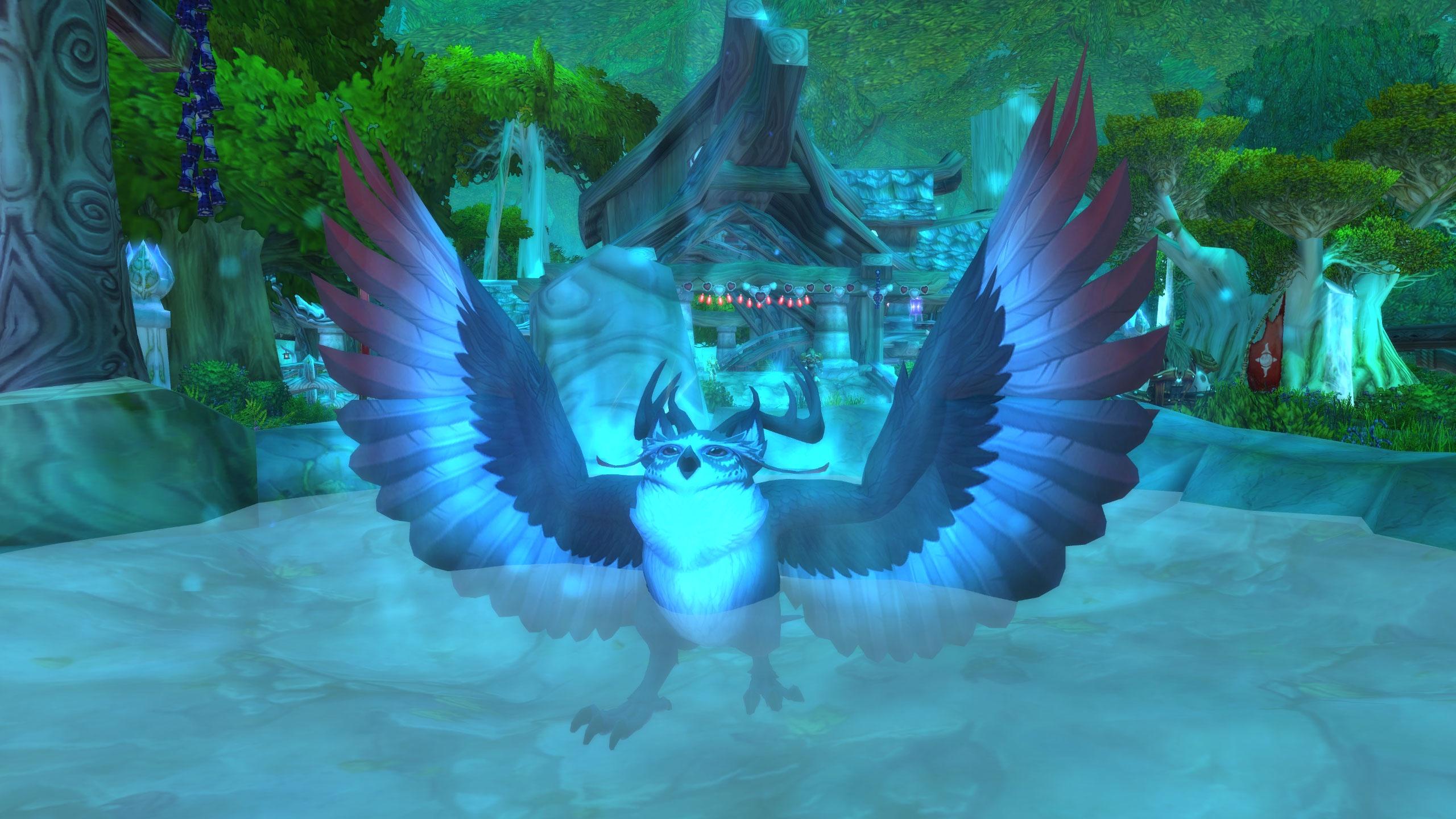
In World of Warcraft’s raiding history, from Classic’s Molten Core to The War Within, you’ll see how raids evolved and expanded, introducing key elements like teamwork-focused boss battles, attunement processes, and gear requirements. As new expansions launched, raid formats adapted, from 40-man groups to flexible 10- and 25-man setups, adding systems like Flex Raids for inclusivity. Significant improvements, like heroic modes and account-wide achievements, kept challenging players. Each expansion continued evolving raids, offering detailed stories and complex mechanics.
Key Takeaways
- The first raids, Molten Core and Onyxia’s Lair, debuted in Classic WoW with a level cap of 60.
- The Burning Crusade introduced flexible raid sizes, transitioning from 40-man to 10-man and 25-man formats.
- Cataclysm’s heroic modes encouraged competition for World First achievements in reshaped Azeroth.
- Legion featured raids like Emerald Nightmare and Antorus, focusing on community cooperation against demonic forces.
- Battle for Azeroth and Shadowlands integrated story elements within raids, enhancing narrative depth and strategic gameplay.
Early Adventures in Classic WoW

In the early days of World of Warcraft, Classic WoW raids introduced players to some of the most iconic adventures in the game’s history, starting with Molten Core and Onyxia’s Lair in Patch 1.1. As you reached the level cap of 60, these raids became accessible, setting the stage for epic battles against formidable foes like Ragnaros and Onyxia. While Classic WoW raids weren’t as interconnected as those in later expansions, they laid essential groundwork for future storylines, anchoring the game’s narrative in its expansive world. The Argent Dawn, a neutral organization, played a crucial role in the battle against the Scourge, welcoming champions from both the Alliance and Horde to face the horrors of Naxxramas. Raids were released in a structured phase system, with Molten Core and Onyxia’s Lair leading the charge in Phase 1. Each raid zone had its own story, contributing to the overarching narrative. These early raids not only introduced complex mechanics and challenges but also fostered a strong community spirit among players, encouraging teamwork and collaboration in overcoming these intimidating challenges.
The Burning Crusade’s Challenges
The Burning Crusade expansion brought a host of new challenges to World of Warcraft’s raiding scene, reshaping how players approached endgame content. You encountered a significant shift from the 40-man raids of Classic WoW to the more manageable 10-man and 25-man formats. This change allowed for greater flexibility in raid composition and strategy. The progression system required you to complete earlier raids to gain access to later ones, like the intense Sunwell Plateau, although exceptions existed. Gear requirements became vital; you needed specific sets like Tier 4, 5, and 6, to face formidable foes such as those in Black Temple. Attunement processes were often necessary, involving quests or achievements to gain raid access. Complex boss encounters in raids like Karazhan tested your coordination and strategy. Notably, Karazhan was considered one of the easiest new raids, making it the first raid most players accessed after reaching level 70. Success depended heavily on group composition, gear progression, and effective communication, making guilds essential for organizing these challenging and rewarding experiences.
Confronting the Lich King
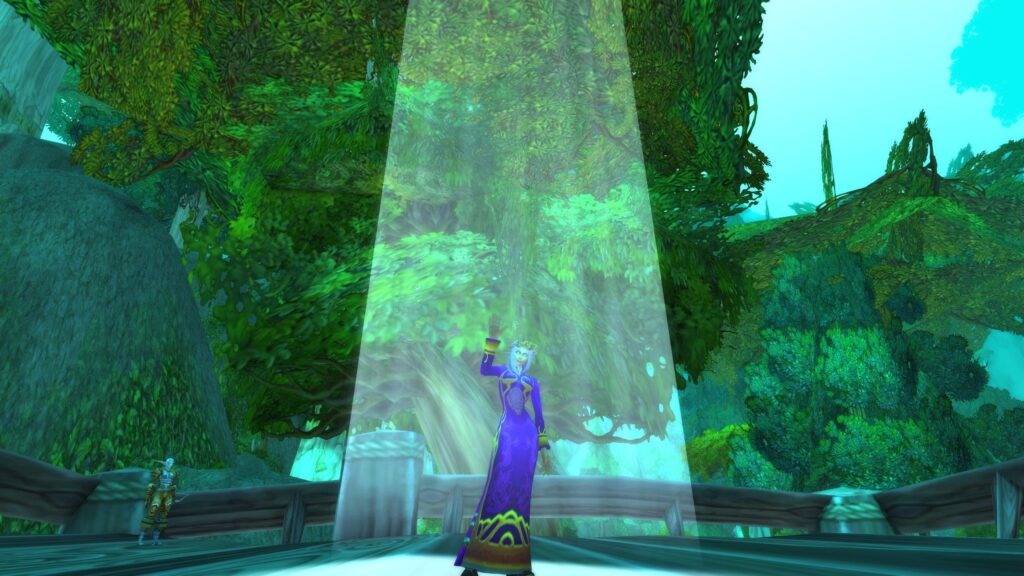
As you ventured into the icy domains of Northrend with the release of Wrath of the Lich King on November 13, 2008, World of Warcraft introduced a new chapter focused on the ultimate confrontation with the Lich King, Arthas Menethil. The expansion sold 2.8 million copies on its first day, setting a record for the fastest-selling computer game at the time. Players from both the Alliance and Horde factions sent their armies to Northrend, engaging in a sprawling narrative with key locations like Icecrown Citadel and the Wrathgate. The introduction of Death Knights as the first hero class, starting at a higher level than regular characters, added a new dynamic to gameplay.
| Raid/Location | Description |
|---|---|
| Naxxramas | Revamped raid with bosses like Kel’Thuzad |
| Ulduar | Titan complex housing Yogg-Saron |
| Icecrown Citadel | Final raid, culminating in the battle with Arthas |
Raiding dynamics required strategy, involving hardcore, medium-core, and casual guilds. Notable events like the Wrathgate incident and Bolvar’s sacrifice enriched the storyline, culminating in Arthas’s defeat.
The Shattering and Cataclysm Raids
As you shift from the Wrath of the Lich King to Cataclysm, you’ll find that the Shattering sets the stage for dramatic changes, reshaping Azeroth’s landscape and impacting both the Horde and Alliance. The release of Cataclysm’s raid content, with multiple raids like Blackwing Descent and Bastion of Twilight launching simultaneously, introduces players to new challenges and mechanics that require innovative strategies. This expansion also alters the raiding dynamics considerably, emphasizing heroic modes and fostering a competitive environment where guilds race for World First achievements, deeply impacting the playerbase and setting a new standard for future raids. In the original Cataclysm, it took the guild Paragon 42 days to complete Al’Akir, highlighting the significant difference in raid completion times between the original and modern versions.
Cataclysm Raid Releases
With the release of Cataclysm Classic, players experienced a significant overhaul in World of Warcraft‘s raiding landscape, marked by the introduction of the Cataclysm raids. On May 30, 2024, the first raids—The Bastion of Twilight, Blackwing Descent, and Throne of the Four Winds—became accessible, offering both 10-player and 25-player groups the challenge of Normal and Heroic difficulties. This global release, occurring simultaneously at 3:00 pm PDT, ushered in the initial Cataclysm raid tier, set in locations such as Twilight Highlands and Blackrock Mountain.
- A flexible raid lock system allowed participation in both 10- and 25-player raids weekly.
- Seven new zones and nine new dungeons were introduced.
- The Cataclysm pre-patch added new races and class combinations.
Notable Raid Mechanics
Cataclysm brought a new era of raiding to World of Warcraft, marked by notable raid mechanics that transformed player engagement and strategy. Raids featured heavily scripted encounters, requiring precise execution and coordination. Multi-phase fights challenged you with unique mechanics, demanding quick adaptation during dynamic phase shifts. The addition of environmental hazards meant you had to navigate carefully while managing role-specific tasks like healers handling debuffs and tanks controlling adds. Heroic Ragnaros added a thrilling extra phase, altering fight dynamics and increasing the complexity of encounters. Limited attempts per week on certain bosses heightened the prestige of victory. Overall, Cataclysm raids emphasized execution-heavy mechanics and strategic gameplay, setting a new standard for future expansions.
Impact on Playerbase
The Shattering and the introduction of Cataclysm raids greatly impacted World of Warcraft’s playerbase, reshaping both the game’s landscape and its community dynamics. Quest changes removed many original quests, replacing them with new ones for levels 1-60, affecting your completion of Loremaster achievements. Zone alterations drastically modified terrains, impacting how you explored and quested. Meanwhile, Cataclysm raids like The Bastion of Twilight and Blackwing Descent offered challenging content for level 85 players, encouraging teamwork and strategic planning.
- New race/class combinations expanded your character options, adding diversity to gameplay.
- The experience reduction for levels 71-80 accelerated your leveling, making progression faster.
- PvP integration with new battlegrounds provided alternative gameplay, enhancing engagement and competition.
Mists of Pandaria’s Trials
As Mists of Pandaria arrived in the World of Warcraft universe, it brought along the innovative Flex Raid system that made raiding more accessible to players who couldn’t always commit to a fixed raid size. This system allowed for raid groups to adjust between 10 and 25 players, accommodating diverse player schedules and enhancing overall raid participation. Alongside this, the introduction of account-wide systems for achievements, mounts, and pets simplified character progression across multiple characters, making the game more engaging for players with extensive collections.
Moreover, Mists of Pandaria offered a 10-day trial period, enticing new players to explore its expansive zones and compelling storylines centered around Garrosh Hellscream. While initial criticism targeted the expansion’s themes and the extensive daily quest system, features like Area of Effect looting improved loot distribution, reducing competition and enhancing group dynamics. These elements collectively contributed to a more inclusive and varied raiding experience.
Warlords of Draenor’s Battlegrounds
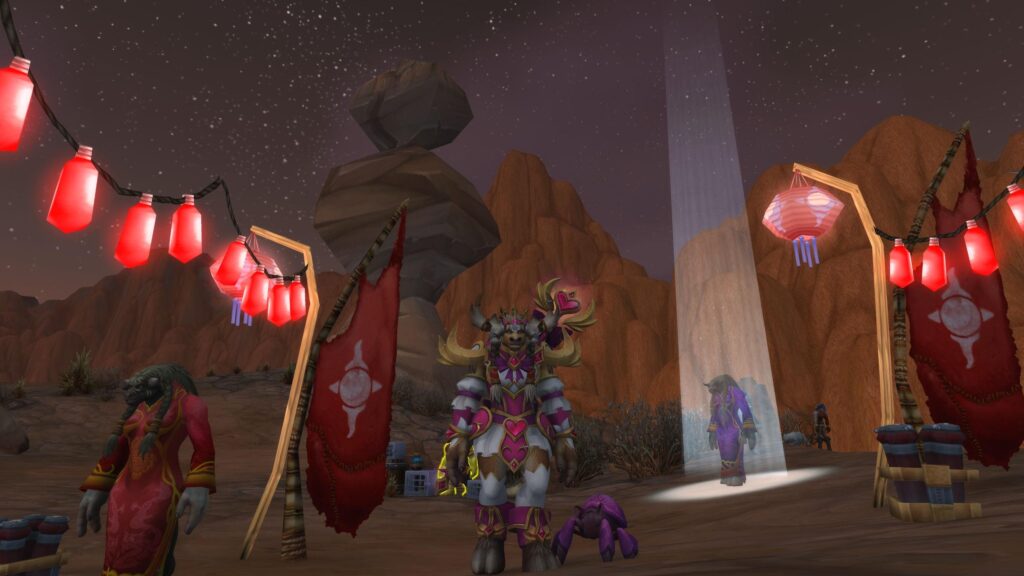
Building upon the accessibility innovations introduced during the Mists of Pandaria expansion, Warlords of Draenor shifted the focus towards a new PvP dynamic with the introduction of Ashran, a world PvP zone located off the north-east coast of Tanaan Jungle. Ashran emerged as the central hub for PvP activities, offering a large-scale, persistent PvP environment that stood apart from traditional battlegrounds. Within this dynamic zone, players could find faction capitals such as Stormshield for the Alliance and Warspear for the Horde, serving as strategic bases.
- Persistent Battles: Ashran provided ongoing, large-scale battles, emphasizing faction conflict.
- Faction Capitals: Stormshield and Warspear acted as pivotal locations for PvP activities.
- Garrison Influence: Garrisons contributed to the war effort by supplying resources and bonuses.
This innovative PvP design encouraged continuous player engagement and had a lasting impact on future expansions, setting the stage for evolving PvP experiences.
Legion’s Demonic Invasions
During Legion’s Demonic Invasions, you encountered key raids that greatly impacted game dynamics, requiring strategic thinking and coordination among players. These invasions presented unique challenges, with each stage demanding precise teamwork and offering exclusive rewards, such as Nethershards and Fel-Touched Gear. Achievements like “Stand Against the Legion” highlighted your efforts in successfully repelling the Burning Legion, while the global impact of these events showcased the need for cooperation between the Horde and Alliance.
Key Raids During Legion
The Legion expansion in World of Warcraft introduced some of the most iconic raids, reflecting the intense conflict against the Burning Legion’s demonic invasions. You’ll find yourself battling through diverse settings, from the Emerald Nightmare to the heart of Suramar in The Nighthold. Each raid brought new challenges and enriched the storyline with formidable bosses and intricate mechanics.
- Emerald Nightmare: Introduced in Patch 7.0, this raid marked the beginning of Legion’s raid content.
- Trial of Valor: Released in Patch 7.1, it centered around testing the heroes of Azeroth.
- Antorus, the Burning Throne: Concluding the storyline in Patch 7.3, this raid featured a final showdown against Sargeras.
These raids offered rewarding loot, engaging the community in shared adventures.
Impact on Game Dynamics
Legion’s demonic invasions brought a significant shift in World of Warcraft’s game dynamics, transforming how players interacted with the world and each other. These invasions encouraged widespread participation by offering rewards and experience points, enticing players to repeatedly engage. The game world became dynamic, with zones temporarily altered, introducing new challenges and objectives. Players had to unite to defeat demonic forces, fostering a sense of community and cooperation, especially on PvP servers where unique player-versus-player interactions emerged. The invasions also impacted the game economy, introducing new items and resources. Serving as a narrative bridge, they set the stage for Legion’s storyline. This integration showcased Blizzard’s ability to craft dynamic, world-changing events, leaving a lasting legacy.
Challenges and Achievements
As players navigated the shifting dynamics introduced by Legion’s demonic invasions, they faced a series of challenges and opportunities to earn achievements. The invasions unfolded across six zones, each featuring four stages with distinct objectives and rewards. Players had to collaborate to defeat a spectrum of enemies, from weak demons to formidable commanders. The time-sensitive nature of these invasions meant rewards were only available during the pre-expansion event, adding urgency to the cooperative efforts. Achievements like “Stand Against the Legion” and “Defender of Azeroth: Legion Invasions” recognized players’ success in these events. Rewards included:
- Nethershards: Event currency for transmogrification items.
- Fel-Touched Gear: Suitable for various classes and specs.
- Event-Exclusive Items: Unique to the pre-expansion period.
Battle for Azeroth’s Warfronts
Warfronts in Battle for Azeroth bring a fresh approach to World of Warcraft, drawing inspiration from the classic real-time strategy roots of Warcraft 3. In these large-scale PvE instances, 20 players collaborate to gather resources like Iron and Wood, construct essential buildings such as Barracks and War Mills, and engage in strategic battles. Control of Warfront zones, like Arathi Highlands and Darkshore, cycles between the Alliance and Horde, with each faction contributing resources to initiate combat.
As you participate, you’ll face smart AI enemies, strategically targeting your healers and using crowd control. Your main objective is to destroy the enemy base and defeat their commander. Completing Warfronts yields rewards, including gear and Azerite, and controlling a zone grants access to world bosses and unique quests. Heroic mode offers exclusive rewards like the Sandy Nightsaber mount, ensuring dynamic gameplay and varied content for both factions.
Shadowlands and Beyond
Battle for Azeroth introduced Warfronts, offering a strategic PvE experience reminiscent of Warcraft 3, but Shadowlands took raiding to a new level with its focus on story integration and mechanics. You’ll find yourself immersed in raids like Castle Nathria, where you confront Sire Denathrius in Revendreth, and the Sanctum of Domination, where facing Sylvanas and the Jailer in The Maw becomes a pivotal moment. The Sepulcher of the First Ones challenges you at the very heart of creation, with intricate mechanics that require strategic teamwork and navigation through complex environments.
- New Mechanics: Shadowlands raids introduced fresh challenges, demanding adaptability and teamwork.
- Narrative Depth: Each raid is tightly woven into the expansion’s story, offering significant plot progression.
- Accessibility: Through Dragonflight, you can access these raids via the LFR system, engaging with past content easily.
Dragonflight advances these narratives, while The War Within promises further storytelling evolution.
Frequently Asked Questions
What Is the Fastest Raid Completion in Wow History?
You’re curious about the fastest raid completion in WoW history. The record belongs to the guild Instant Dollars, who achieved an impressive feat during the Battle of Dazar’alor raid. They completed the raid in just over four hours, showcasing exceptional coordination and strategy. This achievement highlights the intense preparation and skill required to dominate the competitive raiding scene, where top guilds constantly push boundaries to achieve world-first records.
How Do Raid Difficulty Levels Impact Loot Rewards?
You’re about to discover how raid difficulty levels impact your loot rewards. Higher difficulties, like Mythic, promise you better loot, given the challenge they pose. Completing raids at these levels grants access to superior loot tables, enhancing your gear and progression. The Great Vault system complements this by offering additional rewards based on your raid achievements. Additionally, boss-specific loot and tier pieces become accessible, enriching your raid experience and ensuring you’re better equipped.
Which Raid Introduced the First Major Storyline Twist?
The first major storyline twist in WoW raids was introduced in Ahn’Qiraj. You encounter a server-wide event where players unite to battle the Qiraji and the Old Gods, revealing deeper lore connections. This raid’s narrative complexity set a precedent for future WoW expansions, weaving intricate stories into the gameplay. By engaging in Ahn’Qiraj, you experience the collaborative effort required to unveil its mysteries, enhancing your understanding of Azeroth’s history.
What Are the Most Common Raid Mechanics Across Expansions?
Across WoW expansions, multi-phase encounters are prevalent, with over 60% of bosses featuring them, requiring players to adapt strategies as fights progress. Tank switching is vital to manage aggro and boss abilities, ensuring raid survival. Add management and healer coordination are essential for maintaining control and managing health. Environmental hazards like shifting platforms challenge players’ adaptability, while personal responsibility mechanics penalize individual mistakes, impacting the entire raid group’s success.
How Has Raid Attendance Changed Over the Years?
You’ve seen raid attendance evolve considerably. Initially, guilds manually tracked who’s attending, relying heavily on personal communication. As raid mechanics became more complex, attendance expectations became formalized, with loot acting as a motivator. Today, digital tools automate attendance tracking, using metrics like percentages and decay rates, enhancing organization and management. Despite these advancements, challenges like player burnout and content changes continue to affect attendance stability and retention efforts.
Conclusion
In your journey through WoW’s raiding history, you’ve experienced everything from the grueling challenges of Classic to the epic battles of Shadowlands and beyond. Each expansion, with its own unique mechanics and storylines, has pushed your strategic thinking and teamwork to the limits. While the evolution of raids has felt like a never-ending epic saga, it’s clear that each chapter has contributed to the rich tapestry of World of Warcraft, keeping you and countless others engaged and enthusiastic for what’s next.

Leave a Reply