
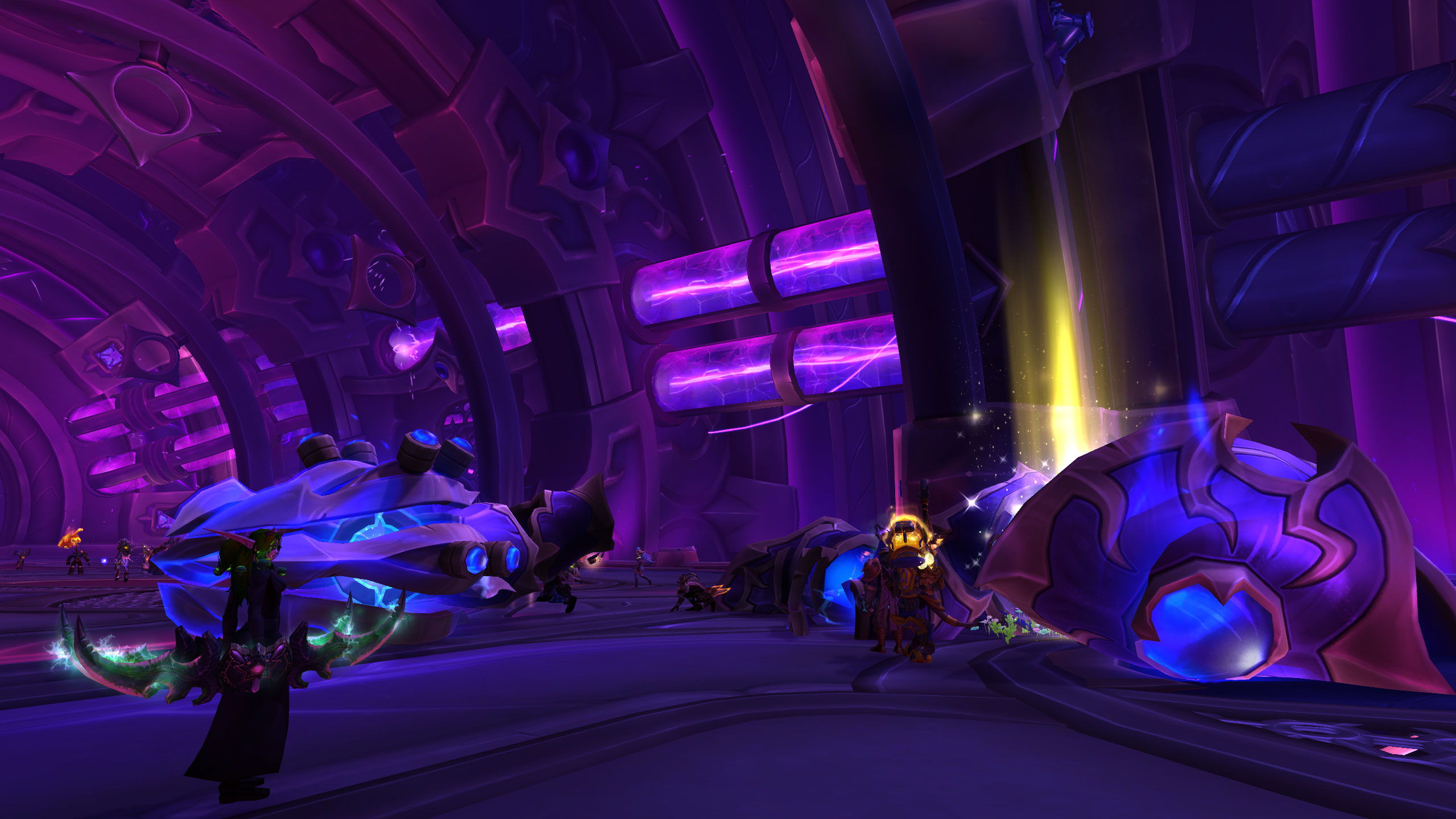
Introduction to the Preparation Phase
The Race to World First is more than just the days spent inside the raid—it’s also the result of weeks of planning and preparation. For the RWF WoW in Manaforge Omega, top guilds understand that what happens before the first pull can decide how the race unfolds. Preparation starts long before Mythic difficulty opens, with teams building strategies, refining rosters, and ensuring every player has the gear, consumables, and information they need.
This period sets the tone for the race, helping guilds enter the raid with the highest possible item levels, optimal class setups, and strategies for each boss based on testing data. Fans often focus on the live raid days, but the preparation week is where much of the foundation is laid for a potential world-first victory. From running split raids in Heroic to farming Bind-on-Equip gear, the amount of work put in before the gates open is enormous. For players, this is a mix of grinding, coordination, and problem-solving under time pressure. By the time Mythic opens, the most prepared guilds are already in a position to push ahead quickly, making early boss kills and setting the pace for the rest of the race.
Gearing Through Heroic Week and Split Runs
One of the biggest priorities for top guilds in the lead-up to Mythic is gearing their main raid characters as much as possible. The first week after a raid launches is Heroic week, and for RWF WoW competitors, it’s an intense grind. Guilds run the Heroic version of Manaforge Omega multiple times on alternate characters in what are called split runs. Each split run is carefully planned so that gear from every boss is funneled to the mains who will use it during Mythic progression.
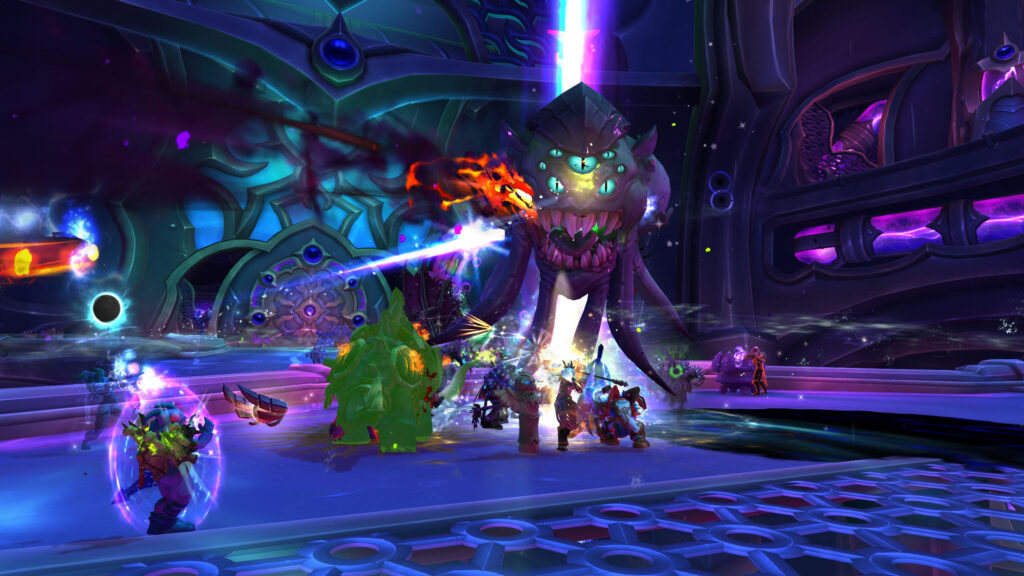
This process requires a deep roster of alts, often with weeks of prior preparation to ensure they are geared enough to clear Heroic efficiently. The goal is simple: maximize the item level and stat optimization of the Mythic mains before the race begins. This approach also applies to crafted items, where high-quality gear can be upgraded with materials farmed in advance. By the end of Heroic week, a well-organized guild can have nearly every main raider at the highest possible power level. This gearing advantage is crucial, especially for the early bosses where higher DPS and survivability can lead to faster kills and a lead over competitors.
BoE Farming and Auction House Strategy
Another major part of Race to World First preparation is farming Bind-on-Equip (BoE) gear. These items, which can drop from raid trash or certain outdoor activities, can be traded and sold on the Auction House. Top guilds often dedicate specific players—or even whole raid nights—to farming BoEs before Mythic opens. The reason is simple: high-item-level BoEs can fill key gear slots, pushing characters closer to maximum power without waiting for drops from Mythic bosses.
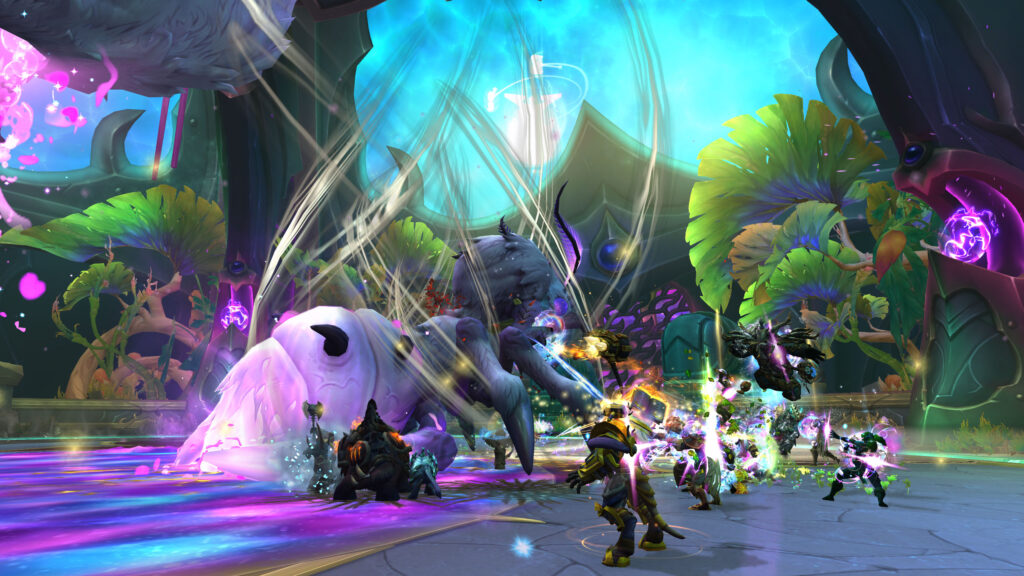
Guilds also work the Auction House aggressively, buying rare or high-stat pieces that fit their players’ needs. This requires a large pool of gold, often funded by guild banks or wealthy members who understand the investment can pay off in better progression speed. Coordination is key, as guilds track who has received which pieces to avoid duplication and make sure upgrades go to the players who need them most. In some cases, guilds even make deals with other high-end teams to trade BoEs, ensuring that both sides get the exact items they need. While BoE farming is less flashy than live raid progression, it’s one of the most impactful preparation activities, directly affecting the damage, healing, and survivability of the raid team on opening day.
Consumables and Raid Resources
Beyond gear, consumables are a critical part of RWF WoW preparation. Top guilds make sure that every raider has enough supplies to last through long Mythic sessions without interruptions. This includes flasks for primary stat boosts, potions for both damage and healing phases, feasts for raid-wide stat increases, weapon oils, and augment runes. Guilds often assign members or external suppliers to gather these items in bulk before the race begins. Many use farming teams that spend hours in the open world or dungeons collecting materials, ensuring stockpiles are ready. The goal is to minimize downtime—raiders should never have to leave for crafting or shopping mid-progression. Some guilds even maintain shared consumable banks organized by type, allowing quick distribution between pulls. Having a well-stocked supply not only improves performance but also reduces stress during the race. The difference between a prepared guild and one scrambling for consumables can be seen in how smoothly their progression runs.
| Consumable Type | Purpose |
|---|---|
| Flasks | Long-term primary stat boost |
| Potions | Burst healing or damage during phases |
| Feasts | Group-wide secondary stat increase |
| Weapon Oils | Additional weapon damage or utility |
| Augment Runes | Extra stats in every encounter |
Class Composition Planning
Class balance is one of the most strategic parts of RWF preparation. Before Mythic opens, raid leaders decide which specs will be prioritized for each fight based on PTR data, Heroic runs, and simulations. Some encounters favor heavy melee damage, while others require strong ranged presence or multiple specific utility abilities. To cover all possibilities, many guilds prepare backup characters—geared and ready—so they can adjust the roster between bosses. This flexibility allows them to handle sudden tuning changes or mechanical surprises without losing time. In recent races, guilds have sometimes switched up to five or six players between encounters to better match the fight’s demands. This level of readiness means that every player often maintains more than one fully raid-ready character, each with optimized gear, enchants, and consumables. The ability to change strategy mid-progression is often what separates the top two or three guilds from the rest of the field.
Here are some common class planning priorities before RWF WoW:
- Ensure at least one Rogue for boss control and immunity mechanics.
- Bring multiple Warlocks for summoning and sustained ranged damage.
- Keep Priests available for powerful raid cooldowns.
- Prepare both Warrior and Paladin tanks for different mitigation needs.
- Include Hunters for high mobility and utility in add-heavy fights.
Strategy and Encounter Analysis
In the final days before Mythic opens, guilds intensify their encounter preparation. Raid leaders and strategy teams review every piece of available information from PTR testing, Heroic clears, and community discussions. This involves watching fight footage, analyzing boss ability timers, and predicting overlaps that could cause wipes. Many guilds use simulation tools to test damage rotations and healing cooldown plans for specific phases. Some even run mock fights using lower-difficulty content to practice mechanics in a live setting. The focus is on identifying potential problem areas early, so there’s a plan ready when progression reaches those bosses. Communication is also rehearsed, with callout responsibilities assigned and refined before the race starts. This level of planning means that when the first pull happens, the guild already has a structured approach, even if they need to adapt on the fly. A team that enters Mythic without clear plans for each boss risks losing hours figuring things out—time that can make or break their standing in the RWF WoW leaderboard.
Non-Raiding Preparation
The RWF WoW is as much a test of endurance as it is of skill, which is why non-raiding preparation is a priority for top guilds. Long Mythic sessions can last eight to twelve hours a day, so teams plan around maintaining focus and minimizing fatigue. This includes setting structured break times, arranging healthy meals, and ensuring proper hydration during raid hours. Some guilds partner with catering services or have dedicated team members who manage food delivery to keep everyone energized.
Sleep schedules are adjusted in the days before Mythic opens so players are fully alert during their main progression hours. Streaming setups are also finalized, with overlays, audio equipment, and camera positions checked to ensure a smooth viewing experience for fans. For guilds streaming to large audiences, production crews may also be involved to handle scene changes, highlight replays, and chat moderation. The goal is to create an environment where raiders can focus entirely on the raid without distractions, allowing them to execute strategies at the highest level.
Final Adjustments Before the Race
In the last hours before the race starts, guilds shift from large-scale preparation to fine-tuning. This is the time for last-minute roster confirmations, gear swaps, and final strategy discussions. Players make sure all gear is fully enchanted and gemmed, consumable stocks are checked one final time, and any remaining crafted items are completed. Raid leaders confirm assignments for interrupts, dispels, and cooldown usage for the opening bosses.
Communication channels—both voice and text—are tested to ensure clarity during high-pressure moments. Some guilds also run short practice sessions on the first bosses in Heroic to keep muscle memory fresh. Once these checks are complete, the team gathers for a final briefing, reviewing their goals for the day and the plan for the first pulls. The mood is a mix of excitement and focus, with everyone aware that the preparation is now complete and the competition is about to begin. When the gates to Manaforge Omega open on Mythic difficulty, all the work from gearing, farming, strategy, and team coordination will be put to the test in the most competitive raid environment in World of Warcraft.

Leave a Reply