

In WoW Classic raid meta, knowing core DPS classes like Warriors, Mages, and Warlocks is essential, with Warriors leading in both single-target and AoE damage. Mastering raid roles involves balancing tanks, healers, and DPS, each with specific duties. Proper preparation through consumables, gear, and communication is important for success. By understanding strategies, raid rewards, and class viability, you’ll enhance your gameplay experiences. Continued exploration will provide valuable insights into these complex dynamics.
Key Takeaways
- Warriors excel as top-tier melee DPS due to their burst potential and cleave damage in raids.
- Effective raid preparation involves understanding boss mechanics, gear upgrades, and consumable usage for optimal performance.
- Clear communication and defined leadership roles are crucial for executing raid strategies and adjustments.
- Mages, Warlocks, and Rogues are A-Tier DPS classes, each offering unique strengths and utility in raids.
- Managing consumable resources and adapting to boss mechanics are key for successful raid progression.
Core DPS Classes in WoW Classic
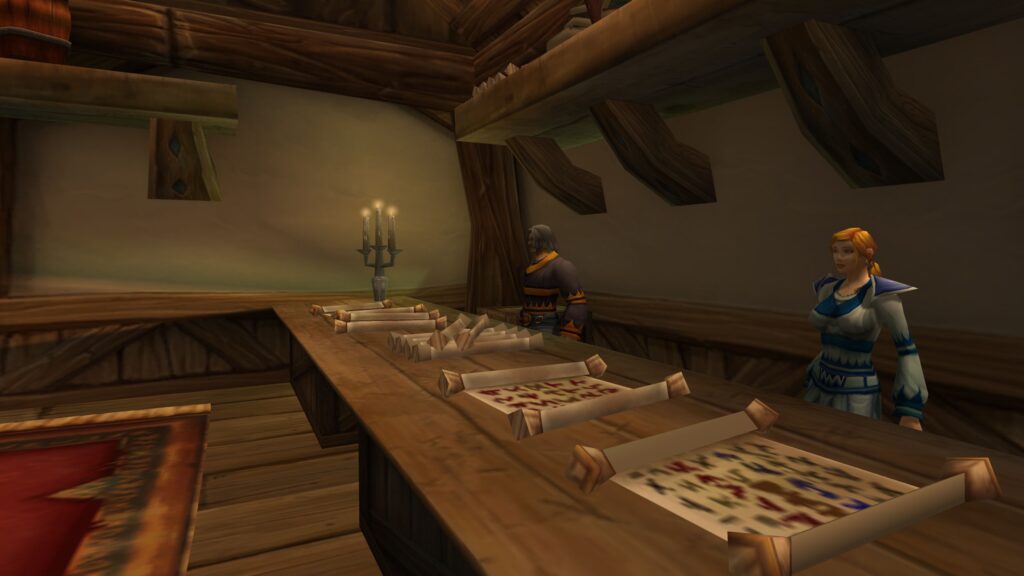
In WoW Classic, understanding the core DPS classes is essential for maximizing raid performance and ensuring effective group dynamics. Warriors, known for their top-tier melee damage, are particularly effective in speed kills due to their impressive burst potential and cleave damage. Mages bring a strong AoE presence and utility, such as portals, making them invaluable in raid settings, especially with gear that boosts spell power. In addition to their efficient travel with Blink and Portals, Mages offer strong crowd control options like Frost Nova and Polymorph, which are pivotal in managing multiple enemies during raids. Warlocks, while prone to threat issues, contribute consistent damage and offer vital healthstones for healing support. Their Destruction specialization is particularly potent, albeit requiring careful threat management. Rogues excel in single-target DPS with their stealth capabilities, making them strategic assets in raids. Their Combat specialization provides versatility and effectiveness, provided they have the right gear. Understanding these classes and their specializations allows you to select the best fit for your playstyle and contribute effectively to your raid team’s success.
Understanding Raid Structure and Roles

Although mastering individual performance is important, understanding the raid structure and roles in WoW Classic is essential for successful group coordination and progression. Raids usually consist of 40 players, though some are 20-player instances. These raids are divided into smaller groups of 5, each potentially benefiting from specific buffs and auras. Ensuring a balanced distribution of tanks, healers, and DPS within these groups is vital.
Tanks, primarily Warriors and Paladins, are responsible for absorbing damage and managing threat, requiring gear that boosts survivability. They must understand movement and positioning mechanics, often aided by buffs like Warlocks’ stamina buff. Healers—Priests, Druids, Paladins, and Shamans—focus on keeping the group alive by efficiently managing mana and using healing spells. They also provide vital party-wide buffs.
Finally, DPS classes, including Warriors, Rogues, and Mages, focus on maximizing damage output, leveraging their understanding of boss mechanics and crowd control, enhanced by buffs like Warriors’ battle shout. While in dungeons, it’s crucial to have players fulfilling specific roles to ensure the group can successfully navigate and complete the challenges ahead.
The Importance of Preparation for Raids
Mastering the intricacies of raid roles sets the stage for understanding why preparation is paramount in WoW Classic raids. Preparation guarantees your raid team can tackle difficult encounters effectively and efficiently. First, you need a deep knowledge of boss mechanics, allowing you to anticipate and counteract their abilities. Equip your character with the right consumables and gear upgrades to maximize performance. Effective communication with your team is essential for executing strategies and handling unexpected situations. Raids consist of multiple boss battles with unique mechanics, making it crucial to understand the importance of roles and responsibilities during these encounters.
Consider these three key preparation elements:
- Consumables and Equipment: Stock up on potions, flasks, and whetstones to enhance your raid readiness.
- Raid Team Communication: Establish clear communication channels to coordinate actions and strategies during the raid.
- Addons and UI Setup: Customize your interface with helpful addons to boost performance and situational awareness.
Analyzing the DPS Tier List
When tackling the DPS tier list in WoW Classic, understanding the nuances of each class is essential for optimizing raid performance and ensuring success in challenging encounters. At the top, Warriors shine in both single-target and AoE damage, making them indispensable for raids. Mages, Warlocks, and Rogues, categorized as A-Tier, offer strong DPS capabilities, with Mages excelling in AoE and Rogues providing consistent single-target damage. Warlocks, while potent, must manage threat carefully to maximize their potential. Despite being the lowest pure DPS class, Hunters provide utility with Tranquilizing Shot and Trueshot Aura, adding value to their B-Tier ranking. Hunters and Feral Druids, in the B-Tier, contribute decent DPS but lack the impact of higher-tier classes. Meanwhile, C-Tier classes like Shadow Priests and Retribution Paladins struggle to compete regarding raw damage output. Gear and consumables play a significant role in determining DPS effectiveness, as does synergy within the raid composition. Understanding these dynamics is vital when assembling a raid group to tackle the toughest WoW Classic challenges.
Exploring Raid Rewards and Progression
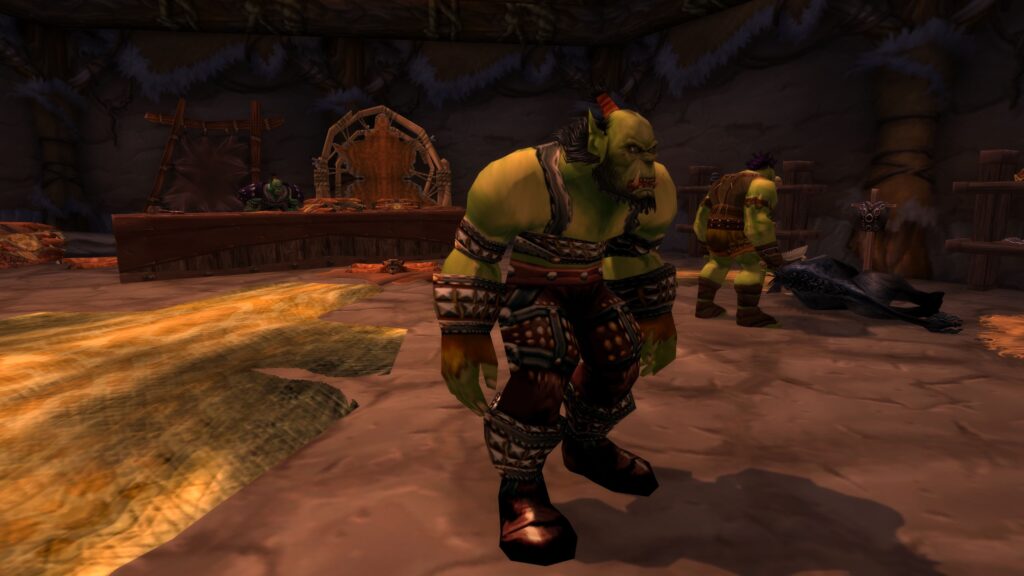
In WoW Classic, understanding raid rewards and progression is fundamental for maximizing your character’s potential and contributing effectively to your guild’s success. The rarity of drops makes each piece of loot highly valuable, especially since most raids require 40 players, increasing competition for limited loot. Guilds often use loot distribution systems like DKP or loot councils to fairly manage item allocation, ensuring regular attendance and performance are rewarded. Preparation and effective communication are essential; understanding boss mechanics and maintaining a balanced team composition are key to successful progression.
Here are some tips to help you navigate the raid environment:
- Loot Level Awareness: Different raids offer varying gear levels—Molten Core provides loot levels 66-76, while Temple of Ahn’Qiraj offers 78-88.
- Raid Scheduling: Consistent scheduling and time management are critical for progression and gear acquisition.
- Knowledge Sharing: Sharing strategies within your guild enhances overall performance and aids in overcoming challenges.
The Role of Class Viability in Raids
Understanding class viability in WoW Classic raids is essential for maximizing raid efficiency and success. Viability means a class can contribute effectively, even if it’s not the best choice. Ideal classes, like Warriors and Rogues for DPS, often dominate raid compositions due to their high performance. However, viable classes, such as Balance Druids or Retribution Paladins, can still play a role, particularly when they provide unique buffs or debuffs that enhance the raid’s overall capability.
Raid composition often involves class stacking for benefits like buffs and debuffs, exemplified by the value Warlocks bring with Curse of Recklessness. Healing classes, such as Holy Paladins, are vital due to their strong healing abilities. Class viability is influenced by factors like gear quality, player skill, and raid mechanics, which can favor certain classes. While guilds may prefer ideal classes for progression, viable classes offer diversity and utility that shouldn’t be overlooked.
Strategies for Effective Communication and Coordination
Effective communication and coordination are essential for the success of WoW Classic raids, as they guarantee that every team member is aligned and prepared for the challenges ahead. Establishing a clear hierarchy is important to prevent confusion; designate specific leaders for calling out strategies and adjustments. Use voice chat, such as Ventrilo or Discord, since real-time communication is significant in fast-paced raid environments. Commands should be concise and focused on critical information, ensuring no clutter in the communication channels. Employing simple, universally understood language is key to keeping everyone on the same page.
Understanding roles and mechanics is another cornerstone of effective coordination. Each member must be aware of their responsibilities and prepared to adapt to unexpected events. Utilize tools like Deadly Boss Mods (DBM) to enhance awareness during encounters.
- Feedback Loop: Encourage feedback to refine strategies.
- Initiative: Promote teamwork and assistance.
- Focus: Maintain concentration to minimize errors.
Optimizing Consumables and Resources
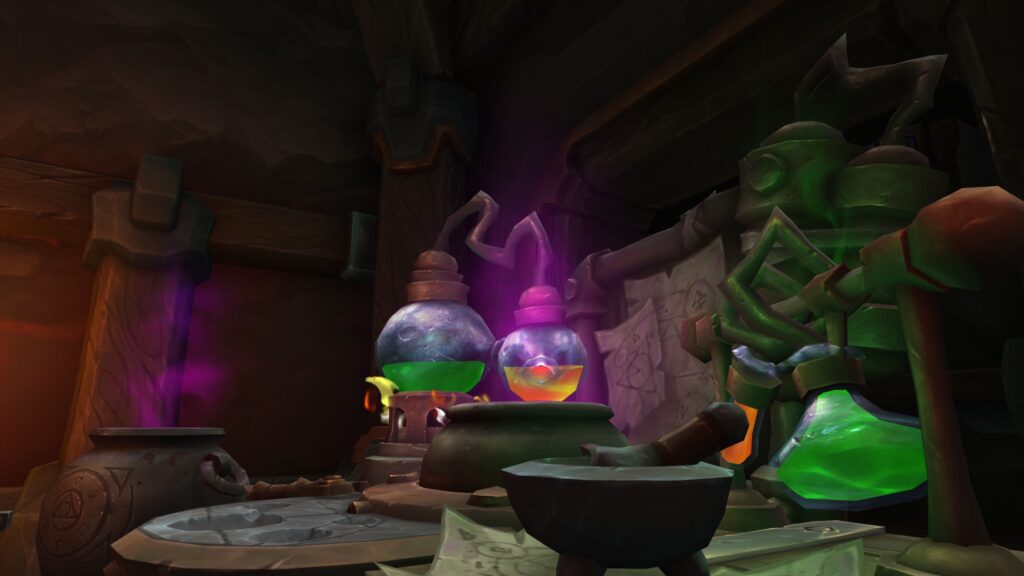
Mastering the art of communication and coordination lays the groundwork for success in WoW Classic raids, but refining consumables and resources is equally essential for enhancing performance and efficiency. Start by focusing on consumable types like flasks, elixirs, and potions to maintain buffs and boost stats during raids. Evaluate your raid hours, boss fights, and guild progression to determine the exact consumables needed. Managing costs is vital, as gold investment can be significant for high-level raids. Professions such as Alchemy and Cooking can help mitigate these expenses by allowing you to craft your own consumables. Balance your usage based on class-specific needs, ensuring you have the right resources for peak performance.
Here’s a quick reference table to help manage your consumable strategy:
| Consumable Type | Key Usage |
|---|---|
| Flasks and Elixirs | Maintain buffs throughout raids |
| Potions | Enhance performance in specific boss fights |
| Food Buffs | Offer stat boosts for a set duration |
| Protection Potions | Mitigate elemental damage from certain bosses |
| Weapon Coatings | Enhance weapon damage |
Mastering Boss Mechanics and Strategies
When tackling boss mechanics and strategies in WoW Classic raids, recognizing and adapting to each boss’s unique abilities is crucial for your team’s success. Understanding these abilities allows you to anticipate challenges and adjust your strategies quickly. You need to manage environmental hazards like fire patches, maintain clear communication, and position strategically for effective team coordination. Use raid simulators and training dummies to practice and improve your reaction times and execution.
Here’s how you can master these elements:
- Mechanic Adaptation: Swiftly adjust your strategies based on boss abilities and your raid composition. This guarantees you’re prepared for any surprises the boss may present.
- Add Management: Focus on damaging the boss while managing adds, like tentacles in Yogg-Saron’s fight, to prevent them from overwhelming your team.
- Cooldown Management: Use cooldowns wisely to mitigate incoming damage or boost healing when needed, keeping your team alive through challenging phases.
Frequently Asked Questions
How Do I Manage Time Effectively for Raid Preparation?
To manage time effectively for raid preparation, schedule regular raid times, ensuring everyone knows their roles and responsibilities. Conduct pre-raid briefings to align on strategies, and confirm player availability to start promptly. Encourage players to come prepared with consumables, gear, and knowledge of raid mechanics. Balance time between progression and farm content, adapting as needed. Utilize efficiency techniques, like speed-pulling, to maintain a brisk pace and maximize raid time.
What Are the Best Addons for Raid Optimization?
To optimize raids, you need Big Wigs for boss mechanic alerts, KLH Threat Meter for managing threat levels, and OmniCC for cooldown timers. Decursive simplifies debuff removal, and HealBot offers efficient healing tools. For coordination, Exorsus Raid Tools and Method Raid Tools enhance strategy execution. WeakAuras provides custom alerts, while RCLootCouncil aids in loot distribution. Details offers combat analytics, helping you assess performance and refine strategies for successful raids.
How Can I Improve My Raid Performance as a New Player?
To improve your raid performance as a new player, start by understanding raid mechanics to anticipate boss moves. Optimize your gear, focusing on key stats. Use consumables like potions to enhance gameplay, and install addons such as WeakAuras for better awareness. Practice in lower-level raids to build skills. Analyze performance with tools like Warcraft Logs, manage cooldowns effectively, and guarantee your hardware is optimized for smooth, uninterrupted gameplay.
What Are Common Mistakes to Avoid During Raids?
Imagine a clockwork mechanism where each cog must align perfectly—such is the nature of a raid. Avoid common mistakes like neglecting consumables, which fuel your performance; inadequate gear, hindering your contribution; and poor communication, breeding chaos. Don’t ignore world buffs or boss strategies, as they’re pivotal for success. Maintain target priority and cooldown management, ensuring each piece of the strategy fits seamlessly, leading to efficient execution and victory.
How Do Guilds Influence Raid Success and Progression?
Guilds greatly influence raid success and progression by providing structured leadership, which organizes strategies and maintains morale, ensuring players know their roles. They cultivate a supportive community, enhancing teamwork and communication. Effective raid leaders guide players through complex content, refining strategies through research and practice. By fostering a positive environment and managing egos, guilds help players optimize performance, contributing to faster progression and achievement of prestigious raid milestones.
Conclusion
In WoW Classic, mastering raids demands a clear understanding of roles and class viability, where preparation and communication become your greatest assets. While DPS rankings guide your choices, consumables and resource management can greatly enhance your effectiveness. By focusing on boss mechanics and strategies, you guarantee smooth progression and maximize rewards. Balancing individual skill with team coordination is vital, highlighting that success in raids is as much about personal competence as it is about collective effort.

Leave a Reply