
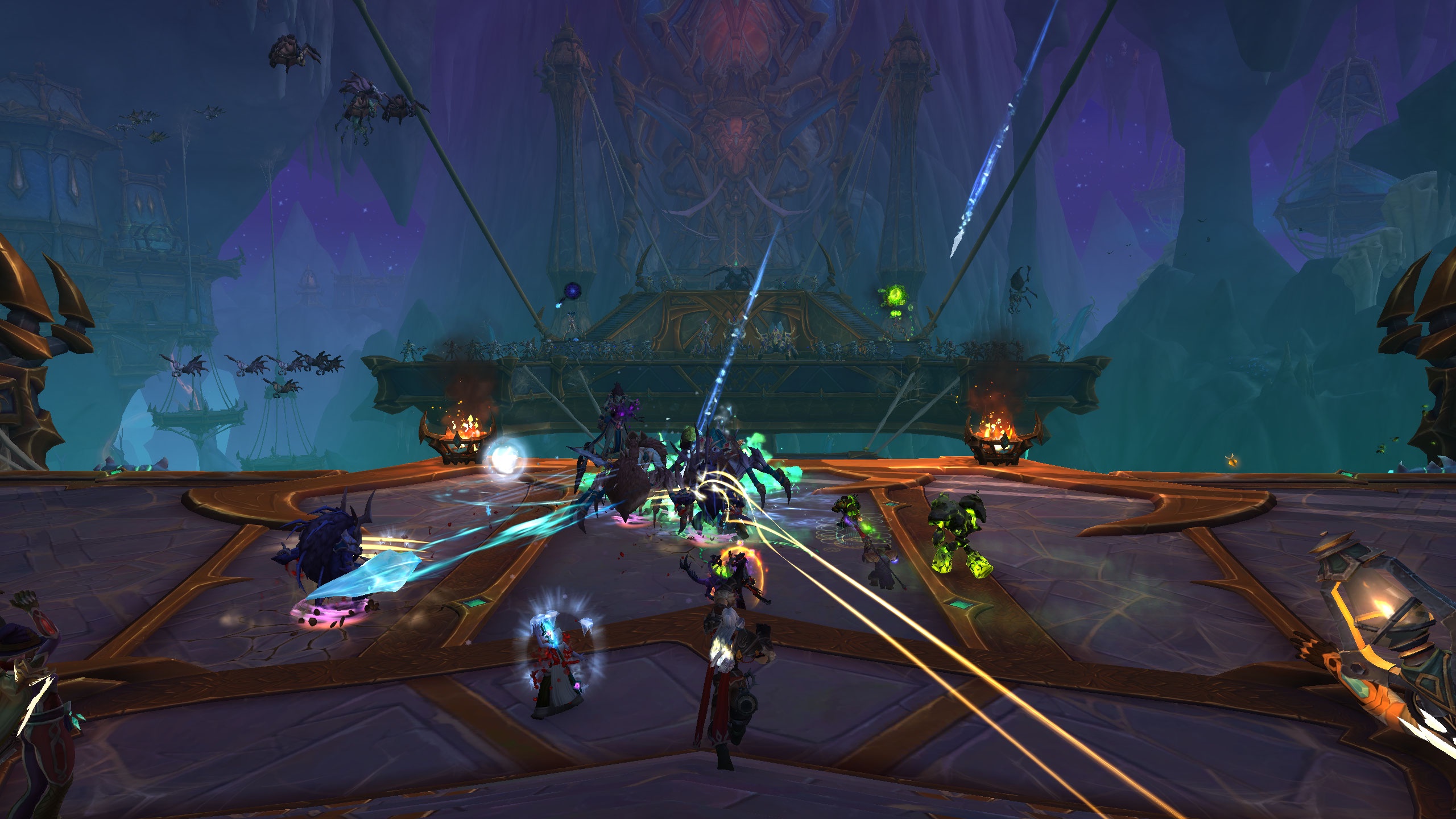
Raiding in World of Warcraft (WoW) is the ultimate test of teamwork, strategy, and class mastery. Whether you’re storming an ancient fortress or battling a cosmic entity, every successful raid depends on players understanding their roles and executing them flawlessly.
But what exactly are WoW class roles, and why are they so important?
Every raid group consists of three essential roles:
- Tanks – The frontline defenders who hold boss aggro and absorb damage.
- Healers – The lifeline of the team, keeping tanks, DPS, and themselves alive.
- DPS (Damage Dealers) – The backbone of the raid, responsible for bringing down bosses while managing mechanics.
Each of these roles comes with specific responsibilities, and mastering them can mean the difference between a smooth victory and a frustrating wipe. In this guide, we’ll break down tank responsibilities, healer duties, and DPS roles, diving deep into class functions, group dynamics, and how each role contributes to raid success.
1. The Three Core Raid Roles in WoW
1.1. The Role of Tanks in Raids
Tanks are the shield of the raid, soaking up damage and keeping the boss under control. Without tanks, healers would be overwhelmed, and DPS players would get crushed in seconds.
Key Responsibilities of a Tank:
- Holding Aggro & Managing Threat
- Tanks use high-threat abilities to ensure the boss stays focused on them.
- Taunting and positioning correctly prevents bosses from attacking healers and DPS.
- Positioning the Boss for Mechanics
- Some bosses face targets with deadly cleaves or cone attacks. Tanks must position the boss properly to avoid unnecessary raid damage.
- Moving the boss to specific areas or away from hazards is a common tank responsibility.
- Surviving Damage Spikes & Using Defensive Cooldowns
- Tanks must time their defensive cooldowns to survive massive boss attacks.
- Using abilities like Shield Wall, Demon Spikes, or Barkskin at the right moment can be the difference between life and death.
- Coordinating Tank Swaps
- Many raid encounters require two tanks, where one takes over when the other is affected by a debuff or mechanic.
- Effective communication between tanks ensures smooth transitions and avoids unnecessary deaths.
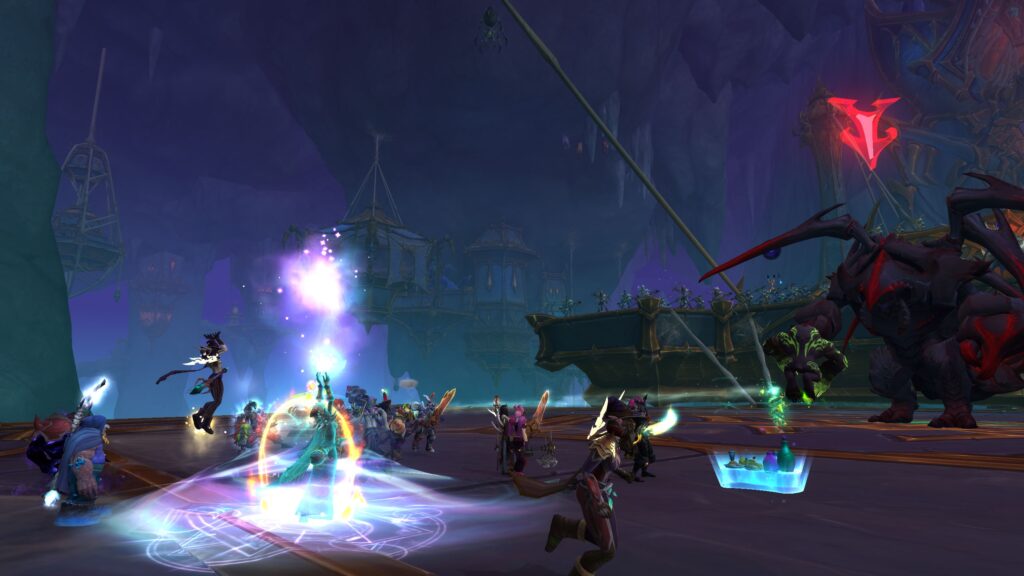
Tank Specializations & Playstyles:
- Warrior: Master of physical damage mitigation with excellent block mechanics.
- Paladin: Brings self-healing, strong defensive cooldowns, and group utility.
- Death Knight: Uses self-sustain and high burst mitigation, excelling against magic damage.
- Druid: A high-health, avoidance-based tank, great for absorbing sustained damage.
- Monk: Masters Stagger mechanics, reducing damage over time rather than all at once.
- Demon Hunter: A mobile tank with high dodge and self-healing, ideal for high-movement encounters.
1.2. The Role of Healers in Raids
If tanks are the shield, healers are the heart of the raid. Their job is more than just filling up health bars—they need to anticipate incoming damage, manage their mana, and make split-second decisions to keep the team alive.
Key Responsibilities of a Healer:
- Sustaining Tank & Raid Health
- Tanks take the biggest hits, so they need consistent healing.
- Healers must also watch for raid-wide damage, keeping DPS players alive.
- Managing Mana Efficiently
- Healing requires careful mana management—burning all resources too early leaves no room for emergencies.
- Using efficient healing spells instead of expensive ones is crucial for long fights.
- Using Defensive & Healing Cooldowns
- Healers provide raid-wide cooldowns like Spirit Link Totem, Power Word: Barrier, and Tranquility to counter massive damage spikes.
- Cleansing Debuffs & Managing Mechanics
- Many bosses apply poisons, curses, diseases, and magic debuffs.
- Healers must quickly remove these debuffs before they cause a wipe.
Types of Healers & Their Strengths:
- Holy Paladin: Strong single-target tank healing, with powerful beacon mechanics.
- Restoration Druid: Excels in heal-over-time (HoT) effects, perfect for sustained raid healing.
- Discipline Priest: Unique absorption-based healing, preventing damage before it happens.
- Restoration Shaman: Master of AoE healing, with chain heals and totems.
- Mistweaver Monk: Agile, mobile healer with powerful burst healing abilities.
- Preservation Evoker: Newest healer class, specializing in temporal healing and green dragonflight magic.
1.3. The Role of DPS in Raids
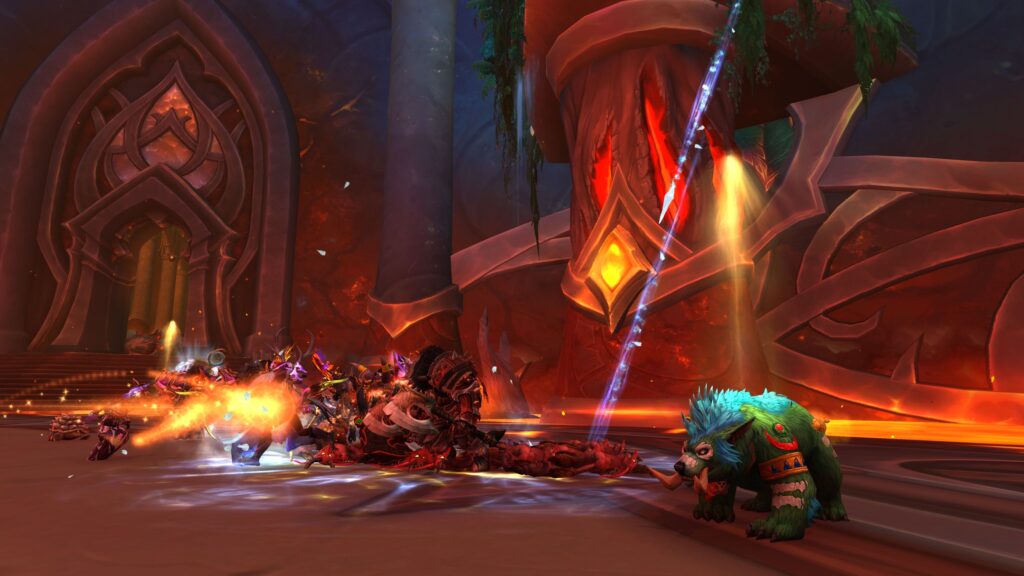
DPS players are often seen as damage machines, but their job goes beyond just hitting the boss. The best DPS players maximize their output while handling raid mechanics and supporting the team.
Key Responsibilities of a DPS Player:
- Dealing Consistent & Efficient Damage
- DPS must optimize their damage rotation while managing cooldowns, resources, and movement.
- Handling Boss Mechanics Without Losing Damage
- Some fights require DPS to move, spread, stack, or dodge while maintaining uptime.
- Interrupting & Managing Crowd Control
- Many bosses and adds cast dangerous spells that must be interrupted.
- Using CC abilities like Polymorph, Stun, Fear, or Bind can control adds and reduce overall raid damage.
- Switching Targets & Handling Adds
- Many encounters require DPS to switch from the boss to dangerous adds.
- Delayed target-switching can lead to raid wipes.
DPS Specializations & Strengths:
- Melee DPS: Requires close-range combat, making positioning crucial.
- Best Examples: Rogues, Warriors, Death Knights, Demon Hunters.
- Ranged DPS: Offers flexibility in movement while dealing damage from a distance.
- Best Examples: Mages, Warlocks, Hunters, Shadow Priests.
- Hybrid DPS: Can off-heal or provide utility while maintaining strong damage.
- Best Examples: Shamans, Druids, Evokers.
2. Advanced Raid Mechanics and Role-Specific Responsibilities
In high-level raiding, it’s not just about knowing your class—it’s about executing your role flawlessly under pressure. Each fight presents unique challenges, and tanks, healers, and DPS must work together to overcome them.
Here’s how each role adapts to different raid mechanics and why coordination is key.
2.1. Tanks: More Than Just a Meat Shield
A great tank is more than just a damage sponge—they are the foundation of every fight, dictating positioning, controlling enemies, and setting the pace.
Advanced Tank Responsibilities:
- Threat Control and Multi-Target Management
- Some bosses spawn adds that must be controlled while keeping aggro on the main target.
- Tanks must be able to juggle multiple enemies without losing control.
- Environmental Awareness and Movement
- Some fights require tanks to kite enemies or move the boss out of danger zones.
- Examples:
- In Castle Nathria’s Sludgefist, tanks needed to position him near pillars to break them.
- In Icecrown Citadel’s Sindragosa, tanks had to manage frost breath positioning to avoid wiping the raid.
- Predicting and Mitigating Big Hits
- Anticipating heavy attacks and using defensive cooldowns at the right time is crucial.
- Example: Mythic Raszageth’s Thunderous Blast required tanks to rotate defensives or get one-shot.
- Leading the Raid with Clear Calls
- Tanks are often the raid’s shot-callers, directing positioning and movement.
- Effective tanks communicate clearly:
- When swapping
- When big damage is incoming
- Where the boss should move next
2.2. Healers: The Last Line of Defense
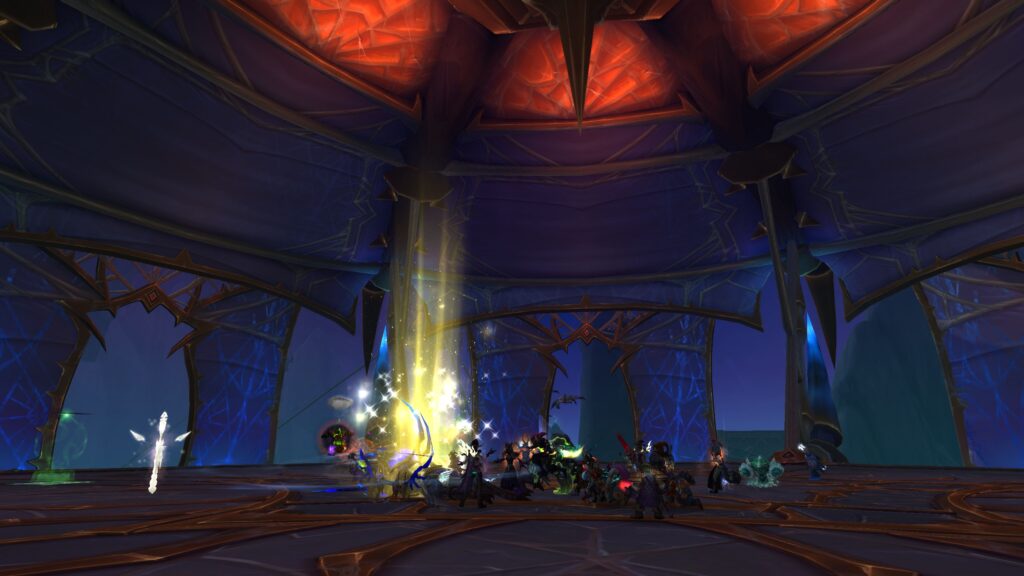
Healers don’t just keep health bars full—they must predict damage before it happens and react instantly when things go wrong.
Advanced Healer Responsibilities:
- Healing Through High-Damage Phases
- Some encounters deal constant raid-wide damage, requiring coordinated healing cooldowns.
- Example:
- Mythic Anduin Wrynn (Sepulcher of the First Ones) had massive raid-wide bursts that required pre-planned healing.
- Preemptive Healing and Damage Mitigation
- Smart healers prepare for incoming damage rather than reacting after the fact.
- Disc Priests excel at absorbing damage before it happens with Power Word: Shield.
- Dispelling and Cleansing Mechanics
- Many fights have debuffs that must be removed immediately, or they’ll cause a wipe.
- Example: In Kil’jaeden’s encounter, missing a dispel meant instant death.
- Proper Mana Conservation for Long Fights
- Spamming high-cost heals too early can leave you out of mana when it matters most.
- Knowing when to use efficient heal-over-time spells (HoTs) vs. big burst heals is key.
- Healing Movement-Intensive Fights
- Some bosses require constant movement, making traditional healing difficult.
- Classes like Mistweaver Monks and Restoration Druids excel in movement-heavy fights thanks to instant-cast heals.
2.3. DPS: The Backbone of Raid Success
DPS might have the simplest-sounding job—”deal damage”—but high-level DPS players do much more than that.
Advanced DPS Responsibilities:
- Maximizing Uptime and Damage Efficiency
- Uptime (the amount of time spent dealing damage) is just as important as raw numbers.
- Top DPS players know when to use cooldowns for max burst impact.
- Executing Mechanics Without Losing DPS
- Example: In Castle Nathria, Huntsman Altimor required DPS to soak shadow zones without stopping damage output.
- Balancing mechanics while still performing optimal rotations separates good DPS from great ones.
- Interrupting and Controlling Enemy Abilities
- Certain bosses and adds cast spells that must be interrupted or stunned.
- DPS players must be aware of which abilities need to be stopped and who is responsible for doing it.
- Adapting to Fight Phases and Target Switching
- Some fights require DPS to switch from the boss to adds or secondary targets quickly.
- Example: On Mythic N’Zoth, ignoring tentacle adds meant instant raid wipe.
- Coordinating Buffs and Debuffs
- Classes like Warlocks and Mages provide important debuffs that increase raid damage.
- Timed buffs like Heroism/Bloodlust need perfect coordination with DPS cooldowns for max effectiveness.
3. Group Coordination and Role Synergy
Even if every player masters their own role, a raid only succeeds when all roles work together.
3.1. Why Communication is Everything in Raiding
- Tanks must communicate movement and swaps.
- Healers must call out healing cooldowns.
- DPS must announce interrupts and CC usage.
The Difference Between a Good and Great Raid Team:
| Good Raid Team | Great Raid Team |
|---|---|
| Players focus only on their own roles | Players understand everyone’s roles and assist when needed |
| Calls are reactive | Calls are predictive and pre-planned |
| Players follow instructions | Players actively problem-solve mid-fight |
3.2. Cross-Faction Raiding: A Game-Changer
With Horde and Alliance now able to raid together, group dynamics have shifted drastically.
How Cross-Faction Raiding Affects Roles:
- Faction-based racials no longer limit raid composition.
- More diverse groups allow better flexibility in role assignments.
- Players can now choose their faction based on lore preference, not just min-maxing.
4. The Evolution of Raid Class Roles in WoW
Over the years, Blizzard has refined how class roles function in raids.
| Expansion | Major Role Changes |
|---|---|
| Classic WoW | Rigid roles, strict tank/healer/DPS separation. Warriors were the only viable tanks. |
| The Burning Crusade | Paladins and Druids became viable tanks. Hybrid healing became common. |
| Wrath of the Lich King | More emphasis on dual-specialization, flexible DPS rotations. |
| Mists of Pandaria | Introduction of flex raiding allowed more adaptability in raid sizes. |
| Legion & Battle for Azeroth | Introduction of Mythic+ gear systems, pushing DPS responsibility in raids. |
| Shadowlands & Dragonflight | Cross-faction raiding, return of class-based tier sets, no borrowed power systems. |
Conclusion: Mastering Your Role = Better Raiding
Understanding your role in a raid isn’t just about playing your class well—it’s about contributing to the success of the entire team.
Final Takeaways:
- Tanks control positioning, threat, and raid pacing.
- Healers manage health bars, cooldowns, and emergency situations.
- DPS must optimize damage, execute mechanics, and control enemy abilities.
- Great raids happen when all roles communicate and work as a unit.
By focusing on team synergy, awareness, and execution, any raid group can push through even the toughest bosses and achieve epic victories in WoW!

Leave a Reply